Orthopedic Emergency: When Bone and Joint Injuries Need Immediate Care
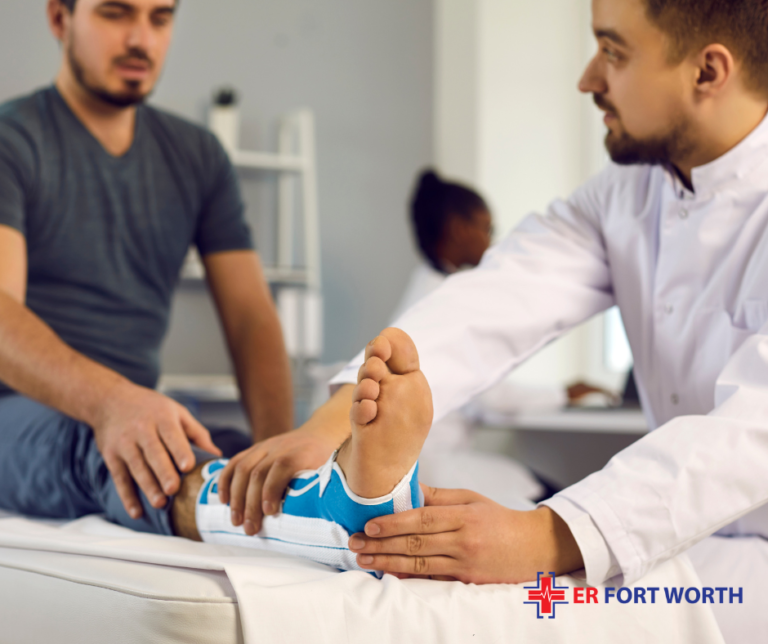
Bone and joint injuries can happen anytime during sports, work, driving, or even simple daily activities. Some injuries are minor, while others require immediate medical attention to prevent permanent damage. If you experience severe pain, a broken bone, a dislocated joint, or cannot move a limb after an accident, it may be an Orthopedic Emergency that needs prompt evaluation. At ER of Forthworth, patients receive fast emergency care, advanced imaging, and timely treatment to help protect bones, joints, muscles, tendons, and ligaments.
What Is an Orthopedic Emergency?
An orthopedic emergency is a serious injury affecting the body's musculoskeletal system that requires immediate medical attention.
The musculoskeletal system includes:
- Bones
- Joints
- Muscles
- Tendons
- Ligaments
- Cartilage
When one of these structures is severely injured, delaying treatment can increase pain, reduce mobility, and lead to long-term complications.
Common Causes of Orthopedic Emergencies
Orthopedic injuries can happen in many situations.
Common causes include:
- Car accidents
- Motorcycle crashes
- Falls from ladders or stairs
- Sports injuries
- Workplace accidents
- Heavy lifting injuries
- Slips and falls
- Bicycle accidents
- Direct blows during physical activities
Older adults and children may also suffer orthopedic emergencies after relatively minor falls because their bones are more vulnerable.
Signs You Need Immediate Medical Care
Some symptoms should never be ignored.
Seek emergency medical care if you experience:
- Severe bone pain
- A visible deformity
- A bone sticking through the skin
- Inability to move an arm or leg
- Severe swelling
- Rapid bruising
- Joint dislocation
- Numbness or tingling
- Loss of circulation in fingers or toes
- Difficulty walking after an injury
- Uncontrolled bleeding with a fracture
These signs may indicate a serious injury requiring immediate evaluation.
Types of Orthopedic Emergencies
Several orthopedic conditions require urgent treatment.
Broken Bones (Fractures)
A fracture occurs when a bone cracks or breaks.
Common fracture locations include:
- Wrist
- Arm
- Shoulder
- Hip
- Leg
- Ankle
- Foot
- Collarbone
Some fractures are simple, while others involve multiple bone fragments or open wounds.
Joint Dislocations
A dislocation happens when a bone is forced out of its normal position.
Commonly affected joints include:
- Shoulder
- Knee
- Elbow
- Hip
- Fingers
- Jaw
Dislocations often cause:
- Severe pain
- Swelling
- Visible deformity
- Limited movement
Torn Ligaments
Ligaments connect bones together.
A severe ligament injury may occur in:
- Knee (ACL, PCL, MCL)
- Ankle
- Wrist
- Shoulder
These injuries can cause instability and may require surgical evaluation.
Tendon Injuries
Tendons connect muscles to bones.
Serious tendon injuries include:
- Achilles tendon rupture
- Rotator cuff injuries
- Biceps tendon tears
- Hand tendon injuries
Immediate assessment helps improve recovery.
Severe Muscle Injuries
Major muscle tears may result from:
- Sports
- Heavy lifting
- Falls
- Direct trauma
Symptoms include severe pain, swelling, bruising, and weakness.
Crush Injuries
Crush injuries occur when heavy objects compress part of the body.
These injuries can damage:
- Bones
- Muscles
- Blood vessels
- Nerves
They require immediate emergency treatment.
When Is a Sprain an Emergency?
Most sprains improve with home care, but emergency evaluation is recommended if:
- You cannot bear weight
- Pain is severe
- Swelling develops rapidly
- The joint appears deformed
- There is numbness
- The injury followed a major accident
These symptoms may indicate a fracture rather than a simple sprain.
Why Quick Treatment Matters
Prompt treatment helps reduce complications.
Benefits of early care include:
- Faster pain relief
- Better bone alignment
- Lower infection risk
- Reduced nerve damage
- Improved healing
- Better joint function
- Lower chance of permanent disability
Delaying treatment can make injuries more difficult to repair.
How Orthopedic Emergencies Are Diagnosed
Emergency physicians perform a complete evaluation.
This may include:
Physical Examination
The provider checks:
- Pain level
- Swelling
- Joint movement
- Blood circulation
- Nerve function
Digital X-Rays
X-rays help identify:
- Bone fractures
- Joint dislocations
- Bone alignment
CT Scan
CT scans provide detailed images of:
- Complex fractures
- Facial injuries
- Pelvic injuries
- Spine injuries
MRI
MRI helps diagnose:
- Torn ligaments
- Tendon injuries
- Muscle tears
- Cartilage damage
Ultrasound
Ultrasound may assist in evaluating:
- Soft tissue injuries
- Tendons
- Muscle damage
- Fluid collections
Treatment Options
Treatment depends on the injury type and severity.
Emergency care may include:
- Pain management
- Splints
- Cast placement
- Joint reduction
- Wound cleaning
- Bleeding control
- Ice therapy
- Immobilization
- IV medications
- Referral for orthopedic surgery when needed
The goal is to stabilize the injury and begin proper healing as quickly as possible.
Recovery After an Orthopedic Injury
Recovery varies based on the injury.
Patients may need:
- Physical therapy
- Follow-up imaging
- Orthopedic specialist visits
- Strengthening exercises
- Activity restrictions
- Walking aids
- Braces or supports
Following medical instructions improves healing and helps restore normal movement.
Tips to Prevent Orthopedic Injuries
Although not all injuries are preventable, these habits reduce risk:
- Wear protective sports equipment.
- Warm up before exercise.
- Stretch regularly.
- Lift heavy objects correctly.
- Wear supportive footwear.
- Keep floors free of hazards.
- Use handrails on stairs.
- Maintain strong muscles through regular exercise.
- Follow workplace safety rules.
When Should You Visit the Emergency Room?
Visit the emergency room immediately if you have:
- Severe fracture pain
- An open fracture
- A dislocated joint
- Heavy bleeding
- Loss of sensation
- A crushed limb
- Severe swelling
- Inability to move a limb
- Bone deformity after trauma
- Suspected hip or spine injury
These conditions require prompt medical evaluation to reduce the risk of lasting damage.
Why Choose ER of Forthworth?
At ER of Forthworth, patients receive emergency orthopedic care without long waits. The experienced emergency team uses advanced diagnostic imaging to quickly identify fractures, dislocations, and other serious musculoskeletal injuries. Fast evaluation and timely treatment help patients begin recovery as soon as possible while reducing the risk of complications.
Frequently Asked Questions (FAQs)
What is considered an orthopedic emergency?
An orthopedic emergency includes serious injuries such as broken bones, dislocated joints, open fractures, crush injuries, severe ligament tears, and injuries causing loss of movement or circulation.
Should I go to the ER for a suspected broken bone?
Yes. Severe pain, deformity, swelling, or inability to move the injured area should be evaluated immediately.
Can a dislocated joint heal on its own?
No. A dislocated joint usually requires medical treatment to safely return the joint to its proper position.
What imaging tests are used for orthopedic injuries?
Doctors may use X-rays, CT scans, MRI, or ultrasound depending on the injury.
How long does recovery take?
Recovery depends on the injury. Minor fractures may heal within several weeks, while severe injuries may require months of rehabilitation.
Can untreated fractures cause complications?
Yes. Delayed treatment may lead to improper healing, chronic pain, joint stiffness, infection, or permanent loss of function.
For more information visit:https://eroffortworthtx.com/services/orthopedic-emergency-treatment/