Imaging Services in Emergency Care: Faster Diagnosis for Better Treatment | ER of Forthworth
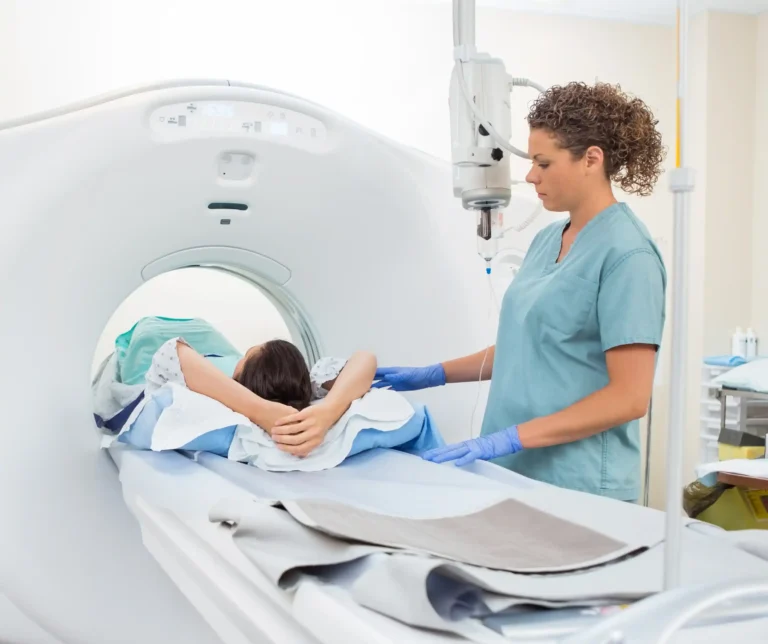
Medical emergencies often require immediate answers. Whether someone has severe chest pain, a head injury, abdominal pain, or a possible broken bone, doctors need accurate information before beginning treatment. This is where imaging services become one of the most valuable tools in emergency medicine. At ER of Forthworth, advanced diagnostic imaging helps physicians quickly identify the cause of symptoms, allowing patients to receive the right treatment without unnecessary delays.
Modern imaging technology has transformed emergency healthcare by providing clear, detailed images of bones, organs, blood vessels, and soft tissues within minutes. Fast diagnosis often leads to faster recovery and better patient outcomes.
Why Imaging Services Are Important in Emergency Care
Emergency medicine depends on speed and accuracy. Many serious medical conditions have symptoms that look similar, making imaging essential for identifying the exact problem.
Doctors use medical imaging to:
- Detect broken bones
- Diagnose internal bleeding
- Find blood clots
- Identify strokes
- Examine head injuries
- Detect lung infections
- Evaluate abdominal pain
- Monitor internal organs
- Guide emergency treatment decisions
Without imaging, doctors would have to rely only on physical examinations and patient symptoms, which may not provide enough information during emergencies.
Common Emergency Conditions That Need Imaging
Several emergency situations require immediate diagnostic scans.
Head Injuries
Falls, sports injuries, and vehicle accidents may cause:
- Skull fractures
- Brain bleeding
- Swelling
- Concussions
Quick brain imaging helps doctors decide whether emergency surgery or observation is necessary.
Chest Pain
Chest pain can have many causes, including:
- Heart attack
- Blood clots
- Pneumonia
- Rib fractures
- Lung collapse
Emergency imaging helps identify the exact condition so treatment can begin immediately.
Severe Abdominal Pain
Sudden stomach pain may result from:
- Appendicitis
- Gallbladder disease
- Kidney stones
- Intestinal blockage
- Internal bleeding
Imaging allows physicians to locate the source of pain quickly.
Broken Bones and Joint Injuries
Accidents frequently cause:
- Fractures
- Dislocations
- Joint damage
Diagnostic scans help determine the severity of injuries before treatment begins.
Stroke Symptoms
Warning signs include:
- Sudden weakness
- Difficulty speaking
- Vision changes
- Loss of balance
Immediate brain imaging helps determine whether a stroke is caused by a blocked artery or bleeding inside the brain.
Types of Imaging Available in Emergency Care
Emergency departments use several imaging technologies depending on the patient's condition.
Digital X-Rays
X-rays are one of the fastest imaging methods.
Doctors commonly use them to detect:
- Bone fractures
- Chest infections
- Joint injuries
- Foreign objects inside the body
Digital X-rays produce high-quality images within minutes.
CT Scans
Computed Tomography (CT) scans provide detailed cross-sectional images.
CT scans are commonly used for:
- Brain injuries
- Internal bleeding
- Stroke diagnosis
- Organ injuries
- Chest conditions
- Spine injuries
CT imaging is often the preferred option during trauma emergencies because it delivers detailed information quickly.
Ultrasound
Ultrasound uses sound waves instead of radiation.
Doctors use ultrasound to evaluate:
- Pregnancy emergencies
- Gallbladder problems
- Kidney stones
- Abdominal pain
- Blood flow
- Soft tissue injuries
Ultrasound is safe, painless, and provides immediate results.
Advanced Diagnostic Imaging
Advanced imaging combines modern technology with experienced medical interpretation.
These systems help physicians identify:
- Small fractures
- Organ damage
- Blood vessel abnormalities
- Internal infections
- Soft tissue injuries
Improved image quality allows doctors to make more accurate decisions.
Benefits of Fast Imaging in Emergency Medicine
Quick diagnostic imaging provides many important benefits.
Faster Diagnosis
Immediate scans reduce waiting time and help doctors begin treatment sooner.
Better Treatment Decisions
Detailed images allow physicians to choose the most appropriate treatment plan.
Reduced Complications
Early diagnosis helps prevent medical conditions from becoming more serious.
Improved Patient Safety
Accurate imaging reduces unnecessary procedures and supports more precise care.
Faster Recovery
Early treatment often leads to quicker healing and fewer complications.
When Should You Visit the Emergency Room for Imaging?
Seek emergency medical attention if you experience:
- Severe chest pain
- Sudden shortness of breath
- Serious head injury
- Loss of consciousness
- Severe abdominal pain
- Broken bones
- Major falls
- Vehicle accident injuries
- Stroke symptoms
- Heavy internal bleeding concerns
These situations may require immediate diagnostic imaging to determine the best course of treatment.
Preparing for Emergency Imaging
Most emergency imaging requires little preparation.
Patients should:
- Share their medical history
- Inform staff about allergies
- Tell the medical team if pregnant
- Remove metal objects if requested
- Follow staff instructions during the scan
Emergency teams guide patients throughout the process to ensure safe and efficient imaging.
What Happens After Imaging?
Once the scan is complete:
- Images are reviewed by emergency physicians.
- The results help confirm a diagnosis.
- Treatment begins immediately if necessary.
- Additional tests may be ordered when needed.
- Patients receive instructions for follow-up care or hospital admission if required.
Fast reporting helps reduce delays and supports better patient outcomes.
How ER of Forthworth Supports Emergency Imaging
ER of Forthworth is committed to providing fast, accurate diagnostic care during medical emergencies. The emergency team uses advanced imaging technology to evaluate a wide range of injuries and illnesses while focusing on rapid diagnosis and timely treatment.
Patients benefit from:
- Modern diagnostic equipment
- Fast evaluation
- Experienced emergency physicians
- Efficient patient care
- Comprehensive emergency services
- Prompt treatment planning
Having imaging available during emergency visits helps reduce delays and ensures patients receive appropriate care as quickly as possible.
Tips to Reduce the Risk of Emergency Injuries
Although emergencies cannot always be prevented, these safety habits may reduce your risk.
- Wear seat belts while driving.
- Use helmets during sports and cycling.
- Prevent falls by keeping walkways clear.
- Exercise regularly to improve balance.
- Manage chronic medical conditions.
- Seek medical attention when symptoms suddenly worsen.
Conclusion
Modern emergency medicine depends heavily on fast and accurate diagnostic imaging. Whether evaluating broken bones, internal injuries, chest pain, stroke symptoms, or severe abdominal pain, imaging allows physicians to make informed treatment decisions quickly. At ER of Forthworth, advanced diagnostic technology supports timely diagnosis and effective emergency care, helping patients receive the treatment they need when every minute matters.
For more information visit:https://eroffortworthtx.com/services/imaging-services-in-fort-worth/